AI Image Upscaling vs Image Enhancement: What’s the Difference?
Understand the difference between AI image upscaling and enhancement, and learn which approach delivers better results for print and digital use.
2/1/20267 min read
Introduction to AI Image Upscaling and Image Enhancement
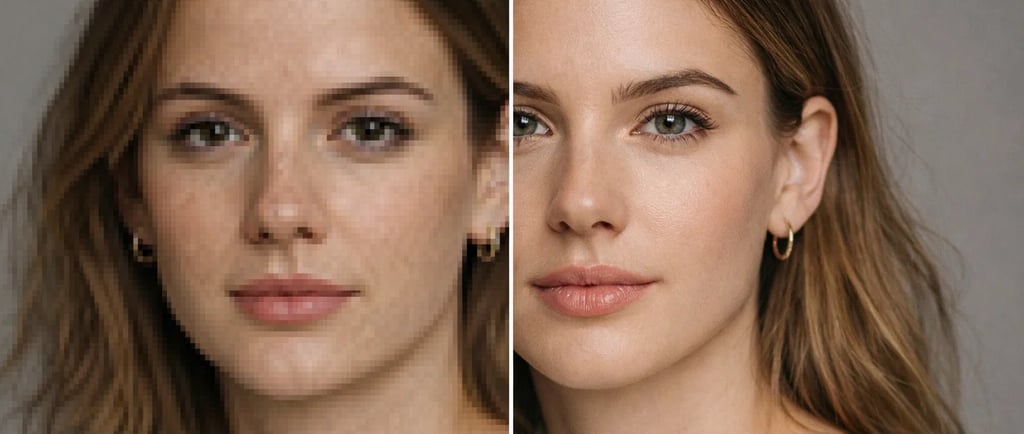
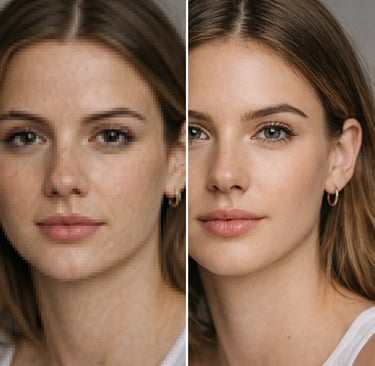
In the realm of digital imagery, both AI image upscaling and image enhancement play pivotal roles in refining and improving visual content. AI image upscaling refers to the process of increasing the resolution of an image through advanced algorithms powered by artificial intelligence. This technique aims to enlarge images while maintaining or improving their quality, enabling a clearer and more detailed view even at higher dimensions. The significance of AI image upscaling is evident in various fields, including photography, graphic design, and media production, where high-resolution images are crucial for clarity and impact.
On the other hand, image enhancement involves a broader spectrum of techniques aimed at improving the overall quality of an image. This can include adjusting brightness, contrast, color balance, and sharpness, among other factors. Image enhancement focuses on optimizing the visual elements of an image to make it more appealing or to highlight specific details. The growing demand for stunning visuals in both professional sectors and everyday applications has underscored the importance of effective image enhancement.
As technology continues to evolve, the integration of AI into both upscaling and enhancement has revolutionized how images are processed. With AI-driven tools, users can achieve results that were previously unattainable or required hours of manual adjustments. The increasing reliance on digital imagery in marketing, social media, and even virtual environments amplifies the need for understanding these two concepts. Parsing the differences between AI image upscaling and image enhancement allows users to make informed decisions when seeking to enhance their visual content, whether for personal use or professional projects.
Understanding AI Image Upscaling
AI image upscaling refers to the process of increasing the resolution of an image using artificial intelligence algorithms. The technology works by analyzing the existing pixels within the image and intelligently predicting additional pixels to enhance clarity and detail. This process significantly differs from traditional upscaling methods, which typically involve simple interpolation techniques that may result in pixelation or loss of quality.
At the core of AI image upscaling lies machine learning, where algorithms are trained on vast datasets of images. These algorithms learn patterns and features that define various image elements, enabling them to extrapolate data from lower-resolution images and create higher-resolution versions. The effectiveness of AI-driven upscaling is particularly evident in maintaining the visual integrity of the image, ensuring that edges, textures, and colors remain sharp and vibrant.
The practical applications of AI image upscaling span multiple industries, particularly in printing and digital media. In the printing sector, for example, converting low-resolution images into printable formats demands higher pixel details that can be achieved through upscaling. Similarly, in digital media such as video games or streaming platforms, enhancing image resolution helps deliver an immersive viewer experience without compromising performance or speed.
Additionally, the rising demand for high-quality visuals in marketing and advertising has accelerated the adoption of image upscaling in creative design fields. As businesses seek to captivate audiences with stunning imagery, AI image upscaling becomes an essential tool to ensure visual content meets the high standards expected by modern consumers. Its ability to generate high-resolution images from lower-quality sources is crucial in today’s competitive landscape, making it a popular choice for various applications.
Exploring Image Enhancement Techniques
Image enhancement refers to a set of techniques applied to images with the goal of improving their visual quality. Unlike AI image upscaling, which primarily focuses on increasing an image’s resolution, image enhancement encompasses a broader range of modifications intended to clarify, sharpen, and correct colors. These adjustments can significantly transform an image, making it more suitable for various applications such as web use, professional portfolios, or personal collections.
One of the primary objectives in image enhancement is to increase clarity. This is achieved through techniques such as contrast adjustment and noise reduction. High contrast helps to define the boundaries of objects within an image, making them stand out more clearly against their backgrounds. Noise reduction, on the other hand, is essential in removing graininess and ensuring smoother surfaces, which is particularly beneficial in low-light photos that tend to exhibit noise artifacts.
Sharpness is another critical component of image enhancement. By employing sharpening algorithms, fine details can be accentuated, resulting in a more defined and visually appealing image. This not only improves the aesthetic quality but also enhances the effectiveness of the visual communication, helping viewers to engage better with the content. An additional technique, color correction, involves adjusting the saturation, hue, and brightness of an image to achieve more accurate color representation. This can drastically improve how an image is perceived, especially when dealing with product images or promotional materials.
For instance, an e-commerce website may utilize image enhancement techniques to present products with greater accuracy, leading to improved viewer engagement and potential sales. In contrast, using image enhancement instead of relying solely on upscaling can yield superior results in user experience across different devices, ensuring that images look as intended regardless of the display size. Effectively, image enhancement is about finding the right balance between visual appeal and practical applications, catering to various needs and enhancing overall image quality.
AI image upscaling and image enhancement are two distinct processes involved in improving the quality of digital images. While both aim to optimize visuals, they do so through different methodologies and achieve varied outcomes. AI image upscaling primarily focuses on increasing the resolution of an image. This process involves algorithms that analyze existing pixel data and extrapolate new pixels to create a higher-resolution version of the original image. The main goal here is to increase the dimensions—width and height—thereby allowing images to be displayed on larger screens without a loss in apparent clarity.
On the other hand, image enhancement is concerned with refining the overall visual quality of an image. This technique employs various methods to enhance specific aspects such as brightness, contrast, sharpness, and color fidelity. Instead of merely increasing pixel count, image enhancement modifies the existing pixels in order to create a more visually appealing result. For instance, by adjusting brightness and contrast, an enhanced image can highlight details that were previously obscured in shadows or washed out by excessive light.
When evaluating the outcomes of these techniques, it is important to recognize that upscaling can sometimes lead to artifacts or a blurred appearance, particularly when the algorithm is pushed to create excessive new pixel data from insufficient original information. Conversely, enhancement methods can yield a more vibrant and detailed image, but they may also lead to over-processing, which can produce unnatural results if not applied judiciously.
In practical terms, a photographer might choose image enhancement to brighten a dull photograph, while a graphic designer might select AI upscaling when preparing smaller images for print. Understanding these critical differences helps users choose the right technique based on their specific requirements, whether they prioritize resolution or improved visual detail.
Common Misconceptions About Upscaling and Enhancement
In the realm of digital image processing, two terms often arise: AI image upscaling and image enhancement. Many users frequently conflate these terms, assuming they represent the same technique. However, this misunderstanding can lead to unrealistic expectations regarding the outcomes each method can provide. While both aim to improve the quality of images, they do so through different processes and objectives.
One common misconception is that AI image upscaling always produces better quality images than traditional methods. In reality, while AI upscaling utilizes complex algorithms and deep learning to add pixels and enhance resolution, the quality of the rendered image heavily depends on the original input. If the source image is of low quality, upscaling it may not yield a drastically improved result. Upscaling creates a higher resolution but does not inherently correct other defects such as noise or distortion.
Conversely, image enhancement focuses more on improving the visual experience of an image rather than merely increasing its resolution. This technique involves correcting colors, brightness, contrast, and sharpness, leveraging various algorithms tailored towards enhancing specific attributes of a photograph. Therefore, many users mistakenly believe that employing AI image enhancement will also automatically upgrade the resolution, which is not necessarily the case.
Moreover, some consumers might assume that using advanced AI tools guarantees flawless results without understanding the nuances of both techniques. Learning the distinction between upscaling and enhancement is crucial for users seeking to improve their images effectively. Educating oneself about the intricacies of each method prepares users to select the appropriate technology for their specific needs and ensures more satisfactory outcomes.
Practical Examples of AI Upscaling and Enhancement in Use
The applications of AI image upscaling and enhancement are vast, impacting various industries such as photography, printing, and digital marketing. Each of these sectors utilizes these technologies in different ways to improve visual content and meet the needs of their audiences.
In photography, for instance, professional photographers often encounter the challenge of low-resolution images, particularly when dealing with older photos or images captured with lower quality equipment. AI image upscaling tools allow photographers to increase the resolution of these images while maintaining clarity and detail. A notable case is the restoration of historical photographs where detail retention is vital for archival purposes. By deploying advanced AI algorithms, photographers can breathe new life into these images, transforming them from pixelated artifacts into striking visual representations.
In the realm of printing, businesses often require high-quality visuals for marketing materials. AI-enhanced images are crucial for ensuring that printed materials maintain their integrity and professionalism. For example, a printing company might utilize AI enhancement to improve the color accuracy and sharpness of images intended for brochures. This process not only enhances the visual appeal but also significantly increases the marketability of printed products.
Moreover, digital marketing heavily relies on compelling imagery to engage audiences. For instance, social media platforms and online advertisements often utilize image enhancement techniques to ensure that visuals are crisp and captivating. Companies like Adobe have integrated AI-powered tools into their software, allowing marketers to enhance images quickly, which facilitates efficient content creation that resonates well with target audiences.
Through these practical examples, it becomes clear how AI image upscaling and enhancement can dramatically improve image quality across various sectors, resulting in better engagement and satisfaction from end-users.
Conclusion and Future Trends in Image Processing
In conclusion, the differences between AI image upscaling and image enhancement are pivotal in understanding their applications within the realm of digital imagery. AI image upscaling focuses primarily on increasing the resolution and detail of an image without losing quality, which is essential for applications where clarity in larger formats is required. On the other hand, image enhancement improves the overall quality and aesthetic of an image, often through techniques that adjust contrast, brightness, and color correction, aimed at making images more visually appealing.
The implications of these technologies extend beyond traditional photography into various fields, including entertainment, medical imaging, and satellite imagery. As we move forward, we can anticipate significant advancements in both AI image upscaling and image enhancement techniques. Future trends suggest an increased integration of machine learning algorithms that will make these processes more intuitive and accessible, allowing users to achieve professional-grade image results with minimal effort.
Moreover, ongoing developments in computational power will enable even more sophisticated algorithms to emerge, enhancing the capabilities of these technologies. For instance, we may witness the proliferation of real-time image enhancement tools, which allow quick adjustments and refinements as images are captured. This could transform fields such as live broadcasting or event photography, where immediacy in image quality is paramount.
As our understanding of image processing continues to evolve, the interplay between AI image upscaling and image enhancement will become increasingly prominent, paving the way for innovative applications that were previously unimaginable. Keeping abreast of these trends will be essential for professionals and enthusiasts alike, as they shape the future landscape of visual content creation.
FaceSwapMe
Private, consent-based AI face and media processing.
Every request is reviewed by a human operator and handled discreetly. Files are deleted after delivery.
© 2026. FaceSwapMe. All rights reserved.
Quick Links
Legal & Privacy
Contact & Availability
contact@face-swap.me
Response time: within 24–48 hours

No data is shared. No content is stored. No processing begins without approval.