What is a Talking Photo and When Should You Use It?
Learn what a talking photo is, how AI animates still images with voice and facial motion, and when this format is most effective.
2/1/20267 min read
Understanding Talking Photos
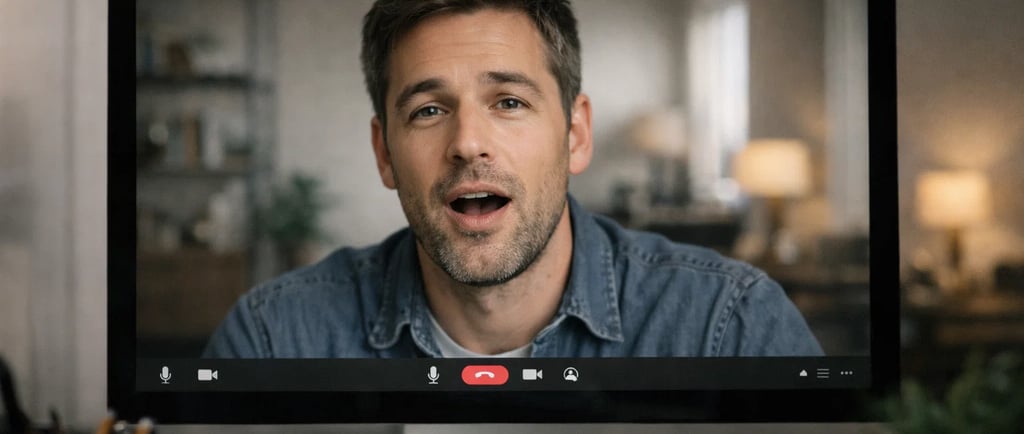
A talking photo is an innovative multimedia experience that transforms a still image into an engaging animated presentation. This technology combines a static photograph with synchronized audio and animated facial movements, allowing the subject of the image to "speak" or express emotions through subtle motions.
The main allure of talking photos lies in their ability to convey a sense of personality and depth that traditional photographs cannot achieve. Through this technology, viewers can enjoy a more immersive interaction with the content, drawing them in with movement and sound.
At the core of talking photos lies advanced artificial intelligence (AI) technology. Recent developments in AI have enabled the analysis of facial features and expressions, making it possible to generate realistic and expressive animations.
This involves deep learning algorithms that dissect the nuances of human facial dynamics and synchronize them with pre-recorded audio or text-to-speech functionalities. For instance, when someone creates a talking photo, the AI will assess the photo to create lip movements that align seamlessly with the audio, ensuring the subject appears to be naturally vocalizing the words.
The creation of talking photos has gained traction in various fields. From enhancing personal experiences, such as sharing memories with family and friends, to allowing brands to enrich their marketing campaigns, talking photos have versatile applications.
For educators, talking photos can act as invaluable tools to engage students more effectively. As technology continues to evolve, the range of capabilities surrounding talking photos will expand, opening up even more avenues for creativity and connectivity through this engaging medium.
How Talking Photos Work
A talking photo is an innovative application of artificial intelligence technologies combined with image processing that enables a static image to come alive with animated facial expressions and synchronized speech.
The process begins with facial motion tracking, which captures the unique features of the face in the photo. This tracking is accomplished through algorithms that identify key points on the face, like the eyes, mouth, and other significant landmarks.
Once the facial features are identified, the software employs a model to animate the features. This model works by mimicking how a human would naturally move as they speak. Through advanced algorithms and machine learning techniques, the application can create realistic movements, such as lip-syncing and blinking, making the photo appear lifelike.
To ensure that the animation aligns perfectly with the spoken words, voice synchronization is used. The software analyzes the audio input, breaking it down to determine which sounds correspond to various mouth movements.
AI plays a crucial role in this transformation as it enables more personalized experiences. The algorithms used can learn from user interactions and preferences, improving the quality of the animations and making the talking photos engaging.
To create effective talking photos, users should select an image with clear facial features and use a high-quality voice recording. Capturing the right tone and emotion in the voice also greatly enhances the experience, as it allows for more authentic communication.
Additionally, users are encouraged to experiment with different expressions and backgrounds, as these factors can significantly impact the final product. By utilizing the right tools and understanding the underlying processes, anyone can create captivating talking photos that convey their intended message effectively.
Talking photos can significantly enhance communication in various contexts, making them an invaluable tool. In professional settings, one of the most effective use cases is during presentations. Incorporating talking photos can capture the audience's attention better than static images, allowing for a more engaging and memorable experience.
By adding voiceovers, key messages can be reinforced, ensuring that the audience comprehends and retains information effectively. This approach can transform a conventional presentation into a dynamic and interactive session, thus increasing audience participation and interest.
Another compelling use of talking photos is in storytelling. In literary and creative fields, talking photos can bring narratives to life, combining visuals with audio to create rich, immersive experiences. For instance, educators can use talking photos as tools to illustrate stories or historical events, making lessons more relatable and stimulating.
Similarly, authors can publish interactive books where readers can hear character dialogues or narrations, enhancing the overall reading experience.
Furthermore, talking photos serve as meaningful tributes in memorials. They can encapsulate memories by pairing beloved images with cherished audio, allowing family members and friends to connect with lost loved ones in a unique way.
This use of talking photos can create a lasting emotional impact, uniting shared history with personal reflections, ultimately preserving memories for future generations. In various settings—from business scenarios to personal commemorations—talking photos provide a versatile medium to convey messages more effectively, broadening the scope of engagement and connection.
As such, understanding these common use cases can greatly influence how we communicate visually and audibly.
Benefits of Using Talking Photos
Talking photos represent an innovative blend of imagery and audio, offering distinct advantages over traditional static images.
One of the foremost benefits is their ability to capture attention. In an era characterized by information overload, engaging the audience is vital. A static image alone may not suffice to hold viewers’ interest, but when enhanced with audio narration, a talking photo can present compelling stories, context, and emotions that resonate more effectively with the audience.
Moreover, talking photos can significantly improve information retention, particularly in educational settings. Studies have demonstrated that people are more likely to remember information when it is presented in a multisensory format, combining both visual and auditory inputs.
By integrating audio commentary directly linked to an image, educators can foster deeper learning experiences. This technique proves beneficial for diverse learning styles, accommodating visual, auditory, and kinesthetic learners alike.
Additionally, talking photos add a personal touch to digital storytelling. They allow individuals and organizations to convey their messages authentically and intimately. For example, in the context of family memories or historical documentation, a talking photo can include a loved one’s voice sharing anecdotes, thereby bridging the gap between past and present.
This personalized element augments the emotional connection the viewer feels with the content, enhancing the overall experience.
Furthermore, the versatility of talking photos makes them suitable for various applications, including marketing, training, and social media engagement. Businesses can use talking photos to provide quick tutorials or showcase products while communicating brand stories effectively.
In this way, talking photos serve as a powerful tool for enhancing interaction and fostering engagement across different spheres.
Setting Realistic Expectations
As the capabilities of technology evolve, the emergence of talking photos has piqued the interest of many users. However, it is crucial to set realistic expectations regarding the quality and performance of these innovative tools. While AI-generated animations can transform static images into seemingly lifelike representations, the technology is not without its limitations.
One fundamental aspect to consider is the quality of the original image.
A talking photo's effectiveness heavily relies on the sharpness, lighting, and overall clarity of the photo used. If the source image lacks these attributes, it may result in subpar animations that do not accurately represent the intended effect. Additionally, images taken in low lighting or those that are pixelated can lead to artifacts that compromise the final animation quality.
Furthermore, voice clarity is another critical element that can affect user satisfaction when utilizing talking photos. Often, the AI-generated voice may lack the nuances of human speech, leading to a robotic or unnatural tone. This may not align with user expectations, especially if they envision a dynamic interaction.
Moreover, variations in accent, pitch, and enunciation can alter the overall user experience, sometimes to a disappointing degree.
Lastly, the device used to create and view these talking photos can influence both performance and output quality. High-performance devices are likely to yield better results, while older or less capable systems may struggle to process the technology effectively.
By acknowledging these factors, users can better appreciate the ongoing advancements in talking photo technology while understanding the current limitations that may affect their experience.
Creating Effective Talking Photos
Creating effective talking photos requires careful planning and consideration of various elements to ensure a harmonious blend of visual and auditory content. The process begins with selecting the right images.
Opt for high-quality photographs that resonate with the intended message. Images with clear focal points tend to engage viewers more effectively. Moreover, images that evoke emotions or tell a story can enhance the impact of your talking photo, making it more relatable and inviting.
Once you have chosen the images, the next step involves selecting appropriate audio to accompany them. Consider the tone of the voiceover; it should align with the emotions conveyed by the image.
A warm, inviting voice can enhance the viewer's experience, while a more serious tone may be suited for informative or educational content. Ensure that the audio quality is clear and free of background noise to maintain professionalism. It is also beneficial to keep the audio concise and to the point, ensuring that it complements rather than overwhelms the visuals.
Synchronization between audio and image is crucial for creating an engaging talking photo. To achieve this, carefully time the audio to coincide with visual elements, allowing viewers to process the information without feeling rushed.
Using editing software that facilitates nuanced timing adjustments can be advantageous. Additionally, including subtitles can enhance accessibility and understanding, especially in environments where audio may not be audible. Testing the final product with sample audiences can provide valuable feedback on effectiveness and engagement.
In essence, the goal of creating effective talking photos is to cultivate a seamless and immersive experience that draws the viewer in, prompting them to connect with both the visual and auditory elements presented.
Future of Talking Photos
The rapid advancement of technology suggests a bright future for talking photos, presenting myriad possibilities for enhancing both user experience and accessibility.
Going beyond merely integrating audio into images, future developments may allow for more profound interactions such as real-time voice modulation tailored to individual users' preferences. This personalization could make experiences more engaging, creating a unique bond between the user and the content.
Additionally, innovations in artificial intelligence (AI) could enable talking photos to bring static images to life in unprecedented ways. For instance, machine learning algorithms could analyze the subject's expressions or surroundings, generating dynamic narratives based on user interaction.
This could help not only in personal storytelling but could transform the way we experience photographs during professional presentations and marketing campaigns.
Moreover, as virtual and augmented reality technologies continue to advance, we may see talking photos transitioning into immersive experiences. Imagine viewing a historical photograph and having it narrate its own story or provide context with 3D effects. Such integration could enhance educational platforms by offering interactive learning experiences, allowing students and users to engage with visual media in an informative and compelling manner.
Accessibility is another important dimension where talking photos might evolve.
By utilizing advanced voice recognition software and customizable audio features, talking photos could cater to individuals with various needs, making visual content more inclusive. This evolution is particularly relevant in fields such as advertising, where companies might develop targeted campaigns that resonate with specific audiences while ensuring inclusivity.
In conclusion, the future of talking photos is ripe with potential innovations that promise to transform both personal and professional applications. As technology advances, the integration of AI, enhanced interactivity, and increased accessibility will likely lead to a more enriched user experience, solidifying the importance of talking photos in various sectors.
FaceSwapMe
Private, consent-based AI face and media processing.
Every request is reviewed by a human operator and handled discreetly. Files are deleted after delivery.
© 2026. FaceSwapMe. All rights reserved.
Quick Links
Legal & Privacy
Contact & Availability
contact@face-swap.me
Response time: within 24–48 hours

No data is shared. No content is stored. No processing begins without approval.